Vietnam's Investment Law 2025 changes how FDI companies are registered. Learn about the ERC-first procedure, capital-ratio classification, and post-establishment obligations.

Conditions, documents, and process for foreigners married to Vietnamese citizens to obtain Vietnamese citizenship. Expert legal advice from Chilli Consulting.
Among the headline changes in Vietnam’s Law on Investment No. 143/2025/QH15 — effective March 1, 2026 — the restructuring of conditional business lines may have the most immediate operational impact for foreign service-sector investors. The new Appendix IV eliminates 38 conditional lines and adjusts the scope of 20 others versus the prior list of approximately 227. From July 1, 2026, the conditional list contracts further to roughly 198 sectors. The regulatory philosophy is a deliberate one: easier to enter, harder to operate carelessly.
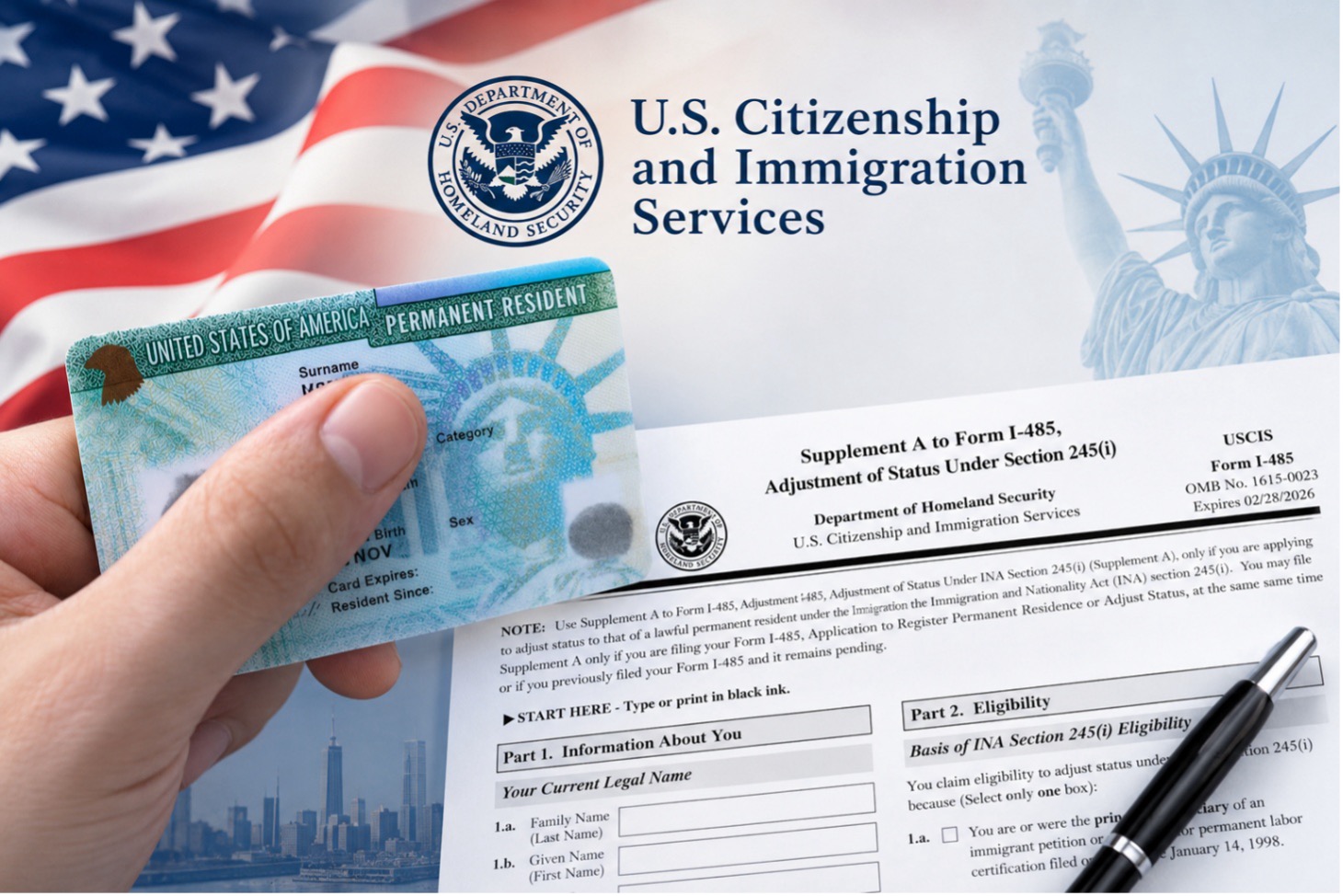
On May 21–22, 2026, U.S. Citizenship and Immigration Services (USCIS) issued Policy Memorandum PM-602-0199, a policy update that many immigration attorneys view as a significant shift in how USCIS evaluates Adjustment of Status (AOS) applications. The memorandum may require intending immigrants and their families to reassess their immigration strategies.
Bridge topic · The intersection between nationality and real estate
Nationality is not merely an identity document. In Vietnam, it is one of the most important factors determining what type of real estate you may own, the form of ownership available to you, and how long you may own it. Understanding your legal status before making any real estate decision is therefore essential.
Renouncing Vietnamese citizenship (also referred to as “relinquishment of Vietnamese nationality”) is a significant and irreversible decision once approved by the Ministry of Justice and formally endorsed by the President. While it is often perceived as a routine administrative step for overseas settlement or naturalization in another country, the reality is that it carries substantial, long-term, and often irreversible legal consequences.
Vietnam’s nationality policy is undergoing changes—but to what extent, and for whom? Recent amendments to the 2008 Law on Vietnamese Nationality, revised and supplemented in 2025 (Law No. 79/2025/QH15), show a clear trend toward greater flexibility, particularly for overseas Vietnamese and foreign nationals with close ties to Vietnam. This is not a temporary adjustment, but rather reflects a long-term strategic objective.
On February 25, 2025, U.S. President Donald Trump proposed the "Gold Card" program, promising U.S. residency with a $5 million investment. Is this program truly feasible? Could it replace EB-5—the legal immigration pathway that has been extended until 2027? Find out now to make an informed investment
Having a solid understanding of essential terminology in U.S. immigration documentation enhances your ability to manage your application efficiently. Important terms include the Receipt Number for tracking your case, USCIS, which handles application processing, and the NVC, which retains approved records. The Visa Bulletin and Priority Date are critical for determining when your application will be addressed. Familiarity with these concepts is key to taking an active role in your U.S. immigration journey.