How Nationality Status Affects Real Estate Ownership Rights in Vietnam
12/05/2026
The three-tier system
Vietnamese law clearly distinguishes between three groups of individuals, each with significantly different real estate ownership rights:
Vietnamese citizens — Full rights: Vietnamese citizens have full land use rights and long-term home ownership rights, evidenced by a land use right certificate / house ownership certificate, commonly known as the “red book” or “pink book.” Their ownership rights are not subject to foreign ownership restrictions.
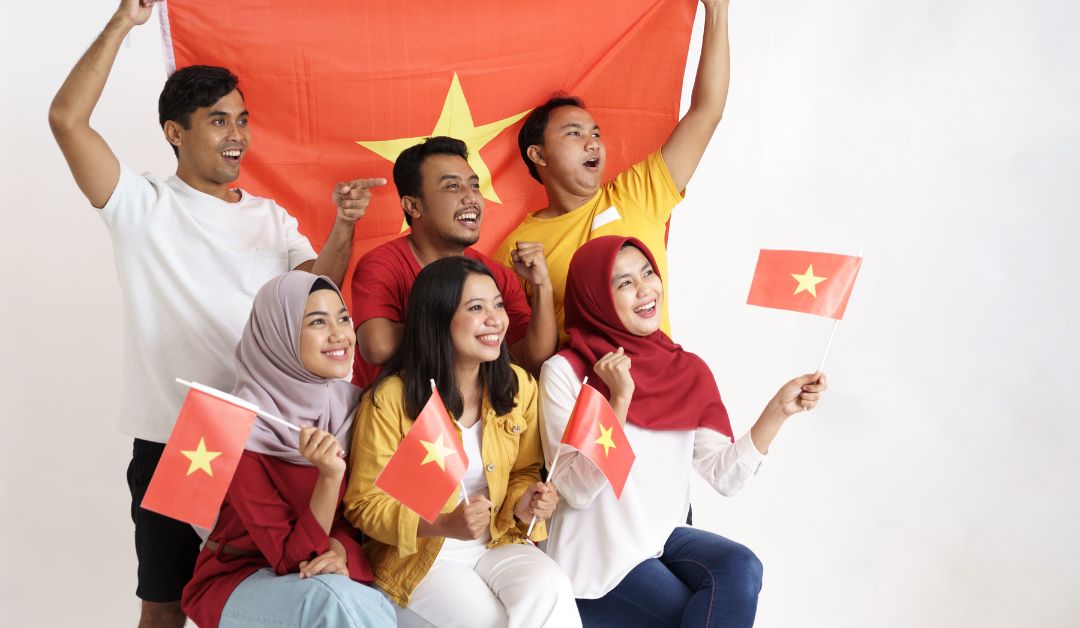
Overseas Vietnamese of Vietnamese origin — Equivalent rights: Overseas Vietnamese of Vietnamese origin are entitled to own residential housing attached to residential land use rights, without being limited to housing within or outside housing development projects. However, with respect to land use rights in Vietnam, they may only receive land use rights within housing development projects. Compared with domestic individuals, their scope of transferring and receiving transfers is narrower. In particular, a prerequisite for exercising these rights is that the overseas Vietnamese person of Vietnamese origin must be permitted to enter Vietnam.
Foreigners — Restricted rights: Foreigners may only own residential housing in eligible commercial housing projects, including apartments and individual houses. They do not have land use rights. Foreign ownership is limited to a maximum of 30% of the apartments in each condominium building. For individual houses, within an area with a population size equivalent to a ward, foreigners may own no more than 250 houses. The ownership term must not exceed 50 years and may be extended once for a further term not exceeding 50 years. A prerequisite is that the foreigner must be permitted to enter Vietnam. However, if a foreigner is married to a Vietnamese citizen, they may, depending on the circumstances, enjoy certain preferential rights regarding the duration and number of houses they may own.
Nationality and real estate strategy
This three-tier structure explains why nationality decisions and real estate investment decisions are closely connected.
For overseas Vietnamese considering the restoration of Vietnamese nationality, one of the most practical benefits is moving from the position of a foreigner to a status that is almost equivalent to full ownership rights as a Vietnamese citizen. Recent economic developments show that Vietnam’s real estate market has made significant progress, and investment in Vietnamese real estate continues to present growth opportunities.
For foreign investors who cannot or do not wish to change nationality, understanding the legal limitations is the foundation for building an appropriate investment strategy. This is because business investment is closely connected with land as a means of production. In Vietnam, however, land is under the ownership of the entire people, which gives rise to legal issues far more complex than in many other countries.
Transition point
The next articles in this series will analyze in detail what foreigners and overseas Vietnamese can actually buy in Vietnam, what the legal procedures are, and what risks should be avoided.
Always keep this nationality-based legal framework in mind as you follow the series, as it forms the foundation for all real estate ownership rights in Vietnam.
Chilli Consulting advises clients on the relationship between nationality status and real estate ownership rights in Vietnam. Whether you are considering restoring Vietnamese nationality, planning to purchase real estate, or developing a long-term investment strategy, understanding your legal position is always the most important first step.

 VN
VN  EN
EN 
 17/06/2026